
Android does not enforce any structure on where files land when they arrive. A banking app saves a statement PDF, a shopping app saves an invoice, a browser saves whatever you tapped download on, and a chat app saves a shared document, and all of it lands in the same Downloads folder with names like "document(3).pdf" that the originating app generated automatically. Nobody chose that filename, and nobody had the opportunity to sort the file into a meaningful place, it simply arrived there.
Because there is no natural moment to organize a file as it downloads, the folder grows into an undifferentiated mix of receipts, boarding passes, bills, and random PDFs from apps you barely remember using. The default Android file manager can sort by date or file type, but neither of those tells you what a document actually is, so finding one specific file later means opening several candidates and checking each one manually.
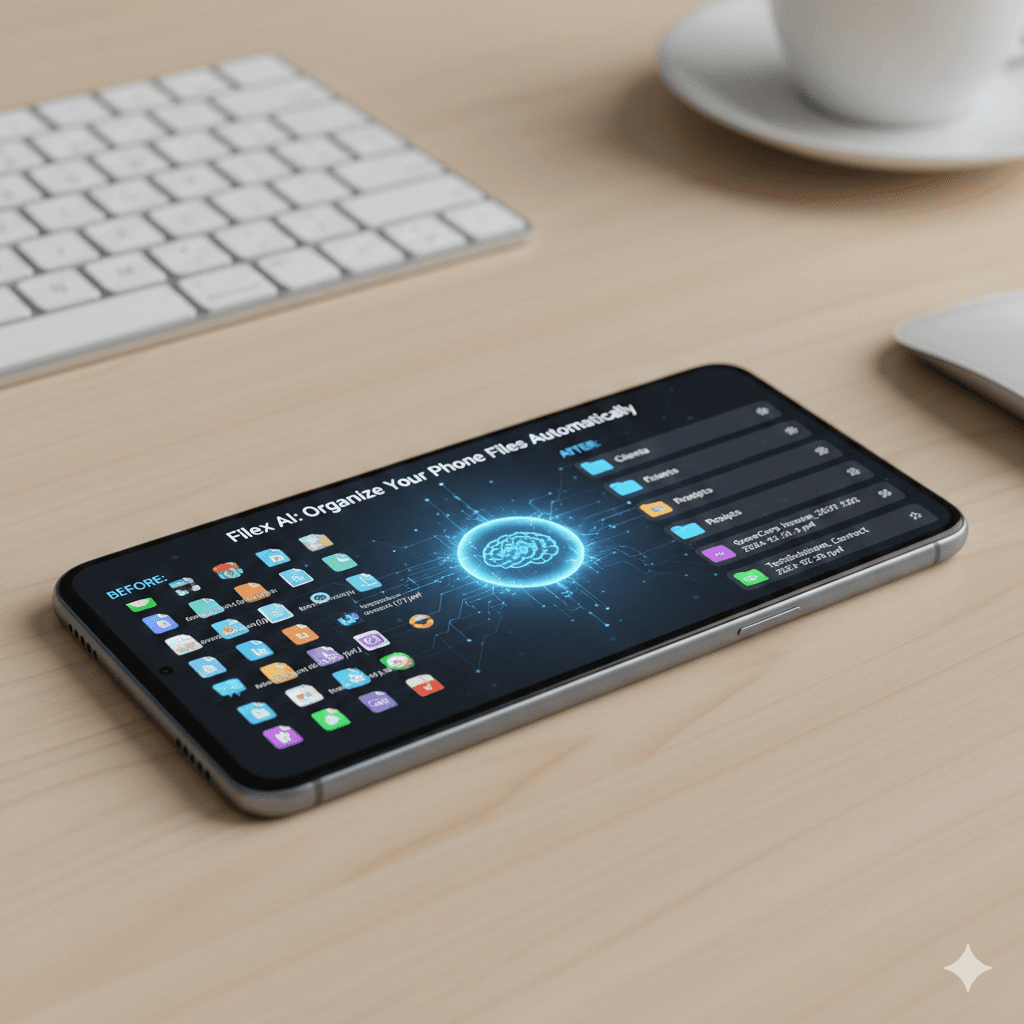
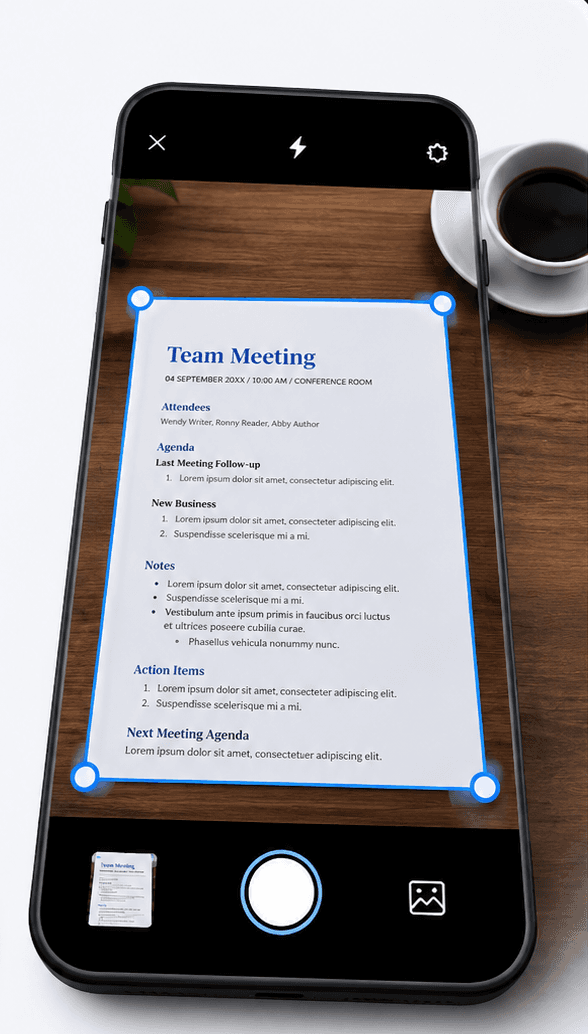
Filex AI addresses this by reading the actual content of every file that lands in Downloads, rather than relying on the filename an app happened to generate. The document type, the relevant dates, and the topic are extracted directly from the content, so files get sorted into meaningful folders automatically, regardless of which app originally created them or how unhelpful its naming convention was.