Why 200 Open Tabs Feels Safer Than Closing Any of Them
Keeping a tab open functions as a kind of promise: "I'll deal with this later." The problem is that closing it feels like breaking that promise permanently, since a closed tab, unlike a saved file, genuinely disappears the moment the browser session ends. That asymmetry, easy to keep open, seemingly risky to close, is what drives a tab count from a manageable dozen into the hundreds over time, with no single tab ever feeling like the one that should go.
The real cost shows up gradually: a sluggish, memory-starved browser, and then suddenly, all at once, the moment a crash or a forced update wipes out weeks or months of "I'll read this later" in a single stroke. A tab list was never actually a filing system, it was a to-do list disguised as one, and to-do lists that only grow eventually stop being useful at all.
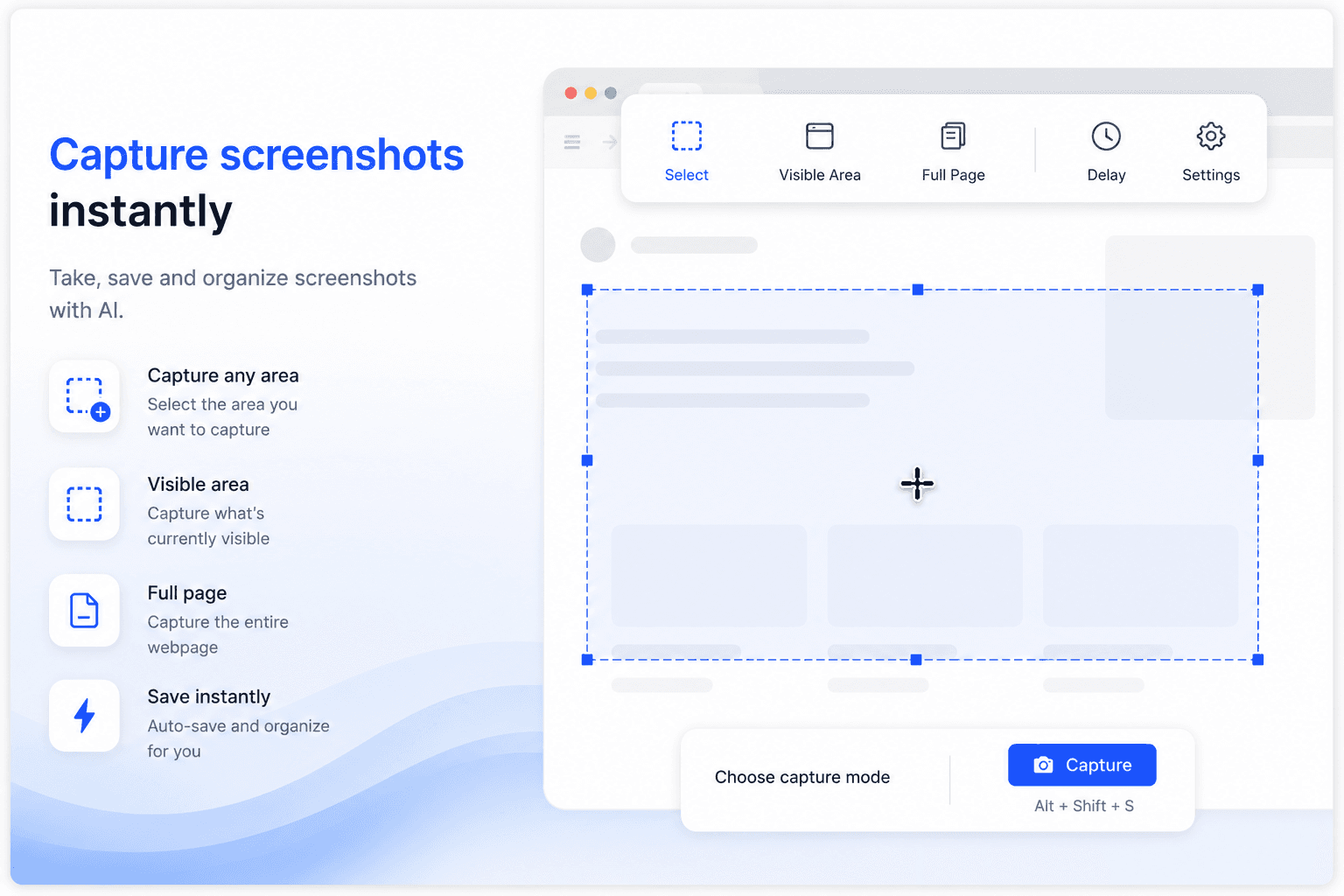
AI-based organization breaks the asymmetry by making saving genuinely easier and safer than leaving a tab open. Because Filex AI reads and categorizes a saved page automatically the instant it's captured, there's no ongoing decision to make and no folder to choose, which means the psychological cost of "dealing with it" drops to something closer to zero, and closing the tab immediately afterward stops feeling risky.